Beyond Steel In The Ground
The UK has no shortage of clean energy ambition. Renewable...

Recent volatility in global energy markets has again highlighted a simple reality that the UK remains closely exposed to international gas prices.
Even as renewable generation continues to grow across the system, gas still plays a significant role in setting wholesale electricity prices. As a result, shifts in global fossil fuel markets continue to influence what businesses, organisations and communities pay for energy.
For many places, this creates ongoing uncertainty around energy costs, even as the transition to cleaner sources gathers pace.
There is increasing attention on how the energy system can be made more stable over time, including changes to market structures and the development of longer-term renewable contracts.
These are important steps, but they do not fully address the wider challenge. Stability in the system is not only shaped by pricing mechanisms, but also by how energy is generated, where it is generated and how the benefits of that system are shared.
In practice, this means looking beyond markets alone to understand how exposure to global price movements can be reduced in more structural ways.
Community energy plays an important role here.
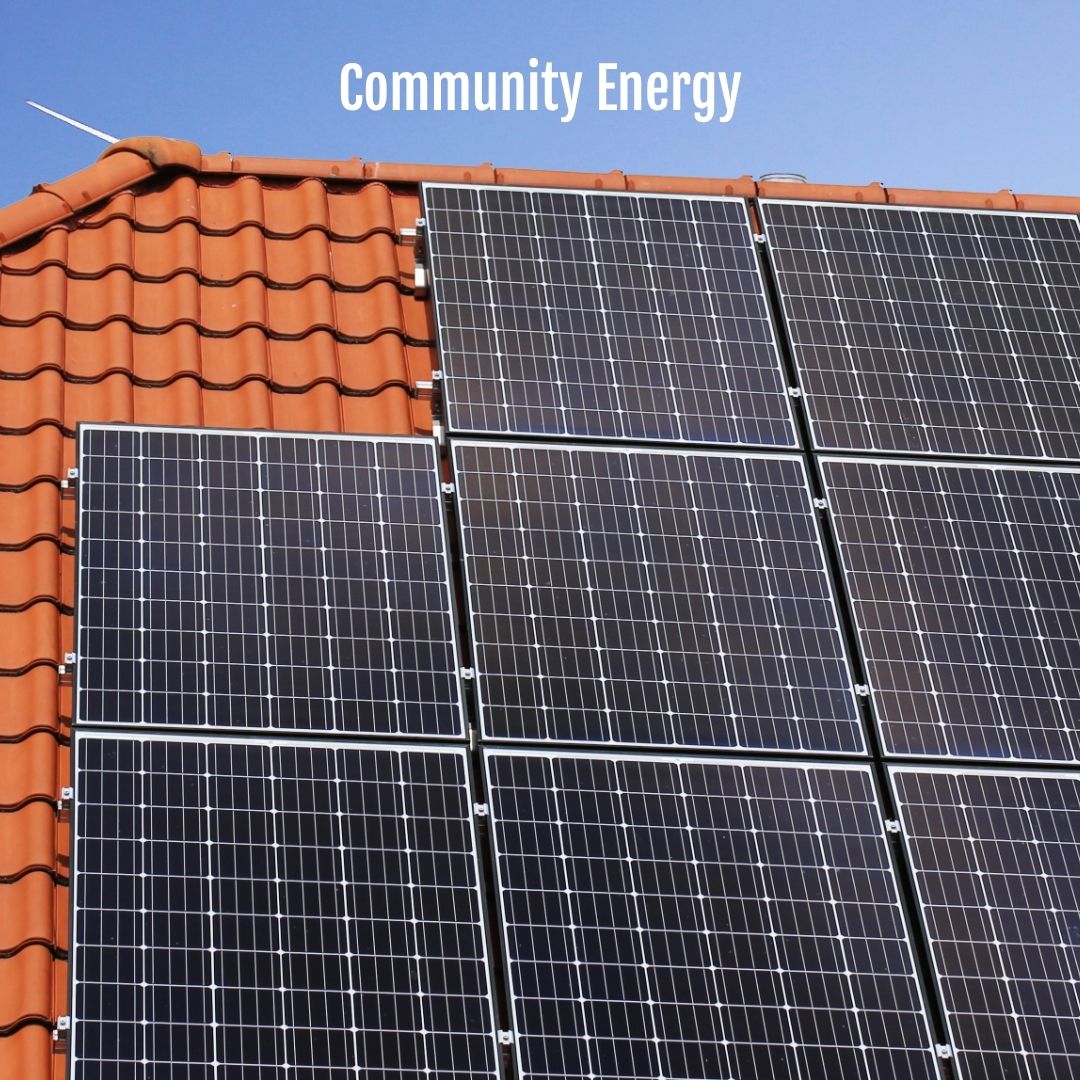
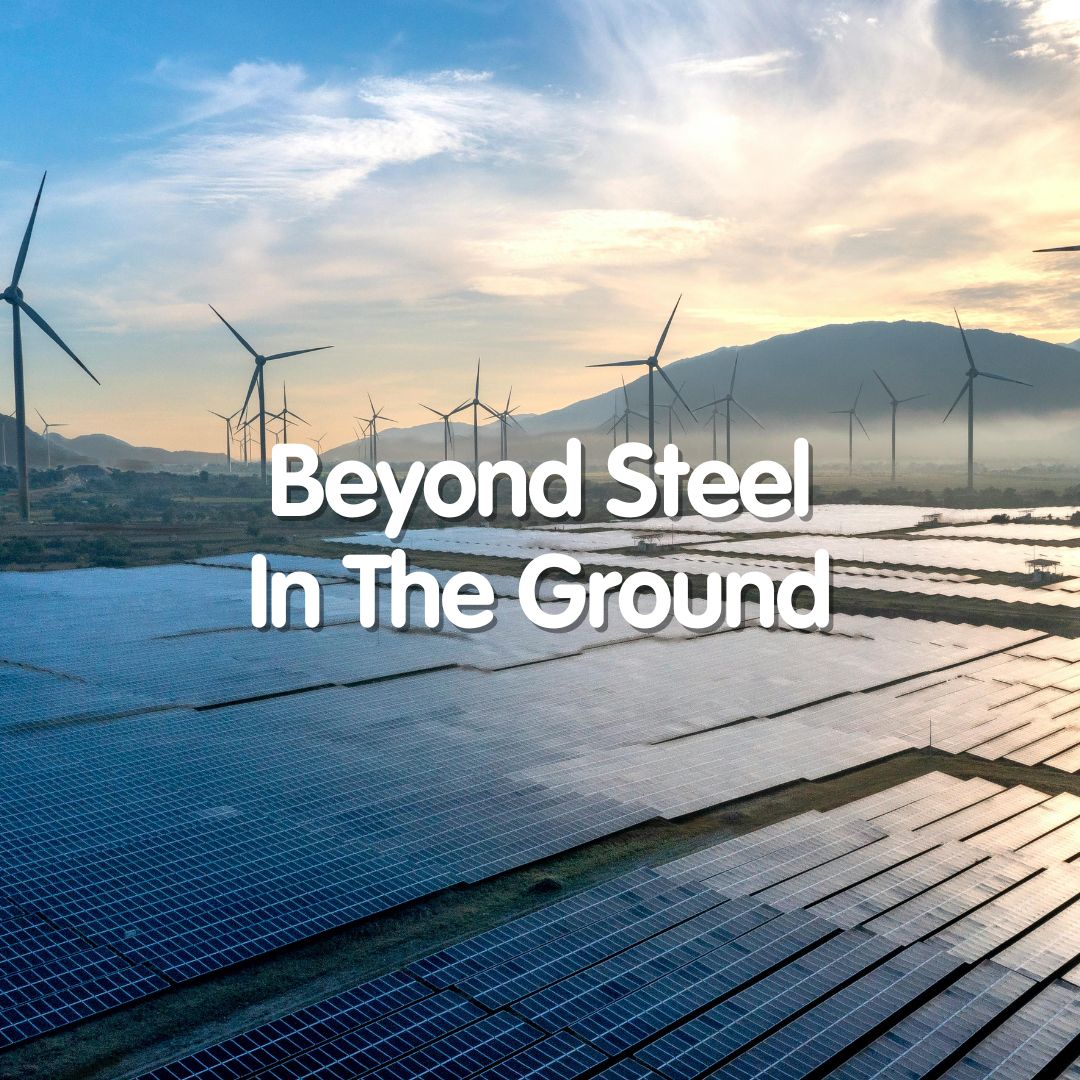
It brings generation closer to the places where energy is used, through local renewable projects, shared ownership models and place-based partnerships. This supports a shift towards a more distributed system that is less exposed to global volatility and more closely connected to local needs.
In doing so, it can help improve local stability in energy costs and reduce exposure to wider market fluctuations for communities and businesses.
The benefits of community energy go beyond generation.
When energy is developed locally, more of the value it creates can stay within that area. That can mean local investment, opportunities for skills and employment, and a stronger economic base over time.
Just as importantly, it helps shift energy from something that feels distant into something that is locally understood and shaped. Businesses, organisations and residents are more directly connected to how energy is being produced and used in their area.
Community energy connects national ambition with real projects on the ground, whether that’s shared renewable generation, local partnerships, or community-led initiatives that bring people together around a common goal.
In doing so, it helps build understanding and engagement, while also delivering practical benefits that communities can see and experience directly in the places they live and work.
Community energy offers a clear and practical route towards a lower-carbon energy system that is more locally grounded and less exposed to global price volatility.
It is not a standalone solution, but it is an important part of how a more balanced energy system can develop over time, one that works more effectively for the places it serves across the country.
Stay connected with CO2Sense for updates on how we’re driving community-led renewable energy solutions by following us on LinkedIn
CO2Sense can help you with bridge loans, match funding for community shares and medium-term loans for your renewable energy projects.
Contact us today on talk2us@co2sense.co.uk
The UK has no shortage of clean energy ambition. Renewable...
GBE Local Announces Strategic Local Power Plan for Communities Communities...
Great British Energy publishes its first strategic plan A major...